
Latest Developments
The Russia-Ukraine conflict continues to evolve as military clashes persist, with both sides reporting advances and setbacks. In the latest updates, Ukrainian forces have made what they describe as strategic gains in the eastern region of Donetsk, while Russian troops have intensified their bombardments in southern Ukraine, particularly in the Kherson area. The conflict shows no signs of abating as diplomatic channels remain fraught.
Military Situation Update
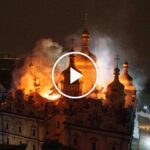
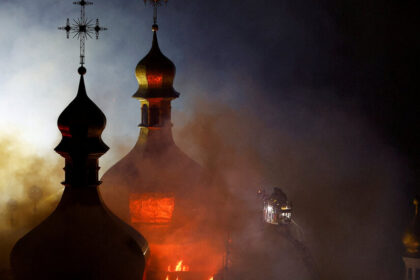
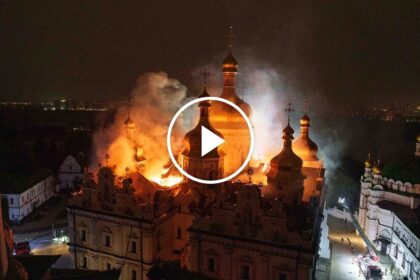
Recent reports indicate that Ukrainian military units are conducting targeted counter-offensive operations aimed at reclaiming lost territory. According to officials, these operations are part of a broader strategy to weaken Russian defenses along key supply routes. Conversely, Russian military activity has reportedly increased, with airstrikes on energy infrastructure in Kyiv and Lviv raising concerns about civilian safety.
- Ukrainian forces claim to have successfully repelled a series of Russian assaults near Bakhmut.
- Russian military officials state that they are reinforcing positions along the eastern front in anticipation of an extended conflict.
- The Ukrainian military reports a growing reliance on Western-supplied arms, which they assert are pivotal for their defense.
Diplomatic and International Response
Diplomatic efforts to secure a lasting ceasefire have thus far been unsuccessful. Recent talks between Ukrainian and Russian representatives revealed deep-rooted disagreements over territorial integrity and peace terms. On the international stage, Western nations continue to support Ukraine through financial aid and military assistance.
- The United States has committed additional military supplies, including advanced artillery systems.
- European Union foreign ministers are scheduled to meet next week to discuss further sanctions against Russia and support for Ukraine.
- Russia’s Ministry of Foreign Affairs has accused Western nations of exacerbating tensions by supplying arms to Ukraine.
Humanitarian Impact
The humanitarian situation in Ukraine remains dire, with millions displaced and in urgent need of assistance. Over 7 million people are reported to be internally displaced, with many fleeing conflict zones to safer areas. International aid organizations are struggling to meet the growing needs of affected populations.
- Access to basic services such as healthcare, food, and clean water is critically limited in several regions.
- The United Nations reports that civilian casualties continue to rise, with hospitals and schools frequently being targeted in the conflict.
- Local NGOs are working tirelessly to provide humanitarian aid; however, ongoing hostilities hamper their efforts.
Economic and Infrastructure Effects
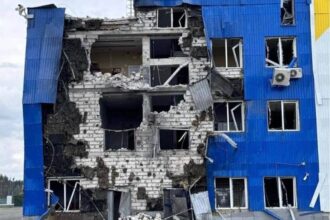
The economic fallout from the conflict has led to severe repercussions for both Ukrainian and Russian economies. In Ukraine, the destruction of infrastructure, including roads and bridges, is expected to result in long-term economic difficulties.
- Ukraine’s GDP has contracted significantly, prompting international financial institutions to pledge support for recovery efforts.
- Russia faces mounting sanctions that are affecting key sectors, including energy exports and technology imports.
- Reconstruction plans for Ukrainian cities are currently being developed, but funding remains a crucial challenge.
Regional Security Outlook
The conflict continues to impact regional security dynamics across Eastern Europe. NATO has heightened its military presence in neighboring countries to deter potential aggression.
- Military exercises are being conducted in Baltic states in response to increased Russian military activity in the region.
- European nations are reassessing their defense strategies in light of lessons learned from the ongoing war.
- Regional security cooperation is expected to increase among European nations as the conflict endures.