
Current Situation
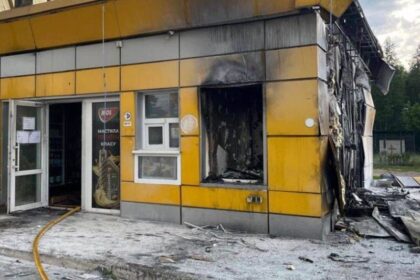
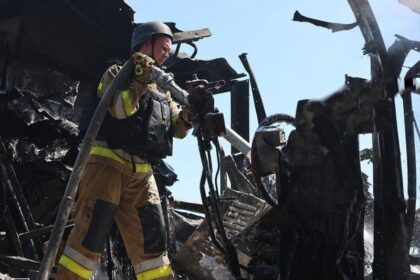
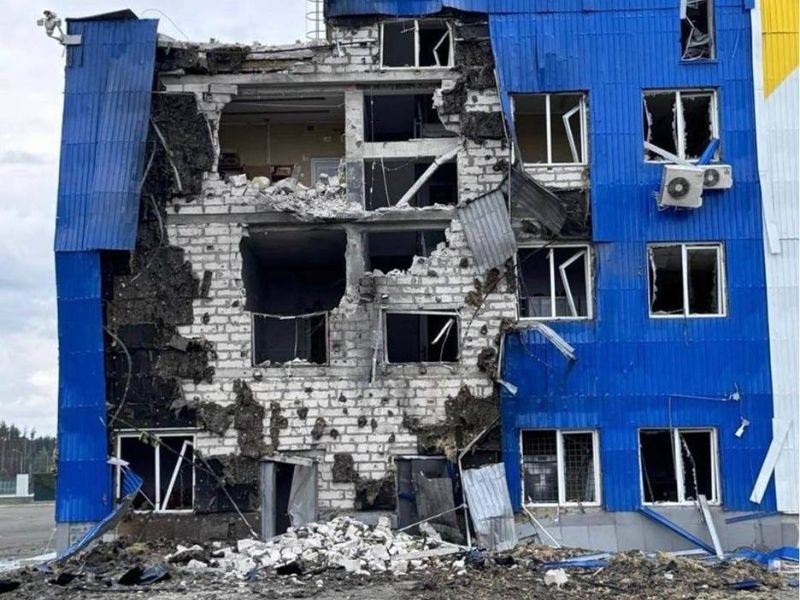
As of 2023, Russia is navigating a complex landscape characterized by a range of geopolitical developments, domestic challenges, and economic pressures. The war in Ukraine has significantly reshaped its international relations and economic environment, with profound implications for regional stability and global security. The ongoing conflict has also exacerbated domestic issues, leading to a multifaceted crisis that has permeated various facets of Russian society.
Economic Developments
The Russia economy has faced significant challenges due to international sanctions imposed by Western nations in response to its actions in Ukraine. According to World Bank estimates, the Russian economy contracted in 2022, with GDP growth expected to remain sluggish in 2023. Key sectors such as oil and gas, which are vital for the economy, are affected by decreasing exports to Europe and competition from alternative energy suppliers.
- The energy sector, a cornerstone of Russia’s economy, remains under pressure as Western countries seek to diversify energy sources.
- Currency fluctuations and inflation have further strained the consumer market, leading to increased costs of living.
- Attempts to pivot trade relations towards Asia have started to yield limited results, as countries like China and India engage cautiously.
Domestic Challenges
Domestically, Russia grapples with several critical challenges that limit its economic recovery and social cohesion. The impact of sanctions has heightened food insecurity and diminished purchasing power among ordinary citizens.
- Demographic trends show a declining population, exacerbating labor shortages in various sectors.
- Public discontent is growing, particularly among the youth, as economic prospects diminish and opportunities for dissent become increasingly restricted.
- The government has heightened surveillance and crackdowns on dissent, raising concerns over civil liberties.
International Relations
Russia’s international relations have shifted dramatically since the onset of the conflict in Ukraine. Diplomatic ties with the West have been severed, with alliances increasingly orienting towards non-Western entities.
- Russia continues to form stronger ties with countries such as China and Iran, focusing on alternative trade routes and military cooperation.
- The effectiveness of international institutions, like the United Nations, has come under scrutiny as geopolitical divides widen.
- Efforts to stabilize relations with neighboring nations in the CIS region illustrate ongoing attempts to assert regional influence.
Security and Defense Issues
Security developments within Russia have been markedly influenced by its military engagements abroad and subsequent domestic response. The Kremlin has prioritized bolstering its military capabilities as tensions rise with NATO and surrounding nations.
- Enhancements in military infrastructure are reported, with significant investments allocated towards modernization and technological advancements.
- The ongoing conflict in Ukraine has prompted discussions on military readiness and national security strategies.
- Cybersecurity threats have also been a focal point, as both domestic and international actors increasingly engage in cyber warfare.
Future Outlook
The economic outlook for Russia remains uncertain as it navigates a post-sanctions landscape while dealing with internal strife. Analysts project continued strain on economic growth, with reliance on commodities and an inability to diversify the economy hindering prospects.
- Regional stability will largely depend on the outcome of foreign policy strategies and internal governance reforms.
- Continued economic sanctions are expected to hamper recovery efforts, particularly in critical sectors like energy and technology.
- Social and economic changes will be imperative to address the declining demographic trends and overall public sentiment.