
Current Situation
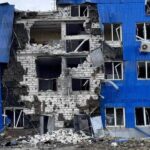
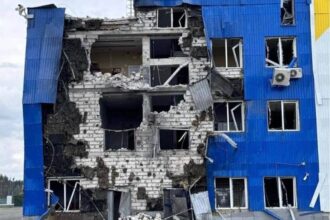
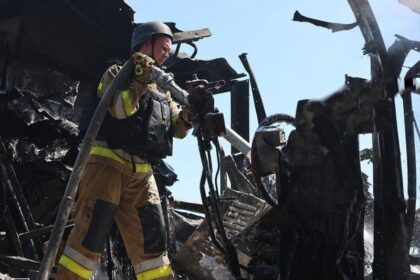
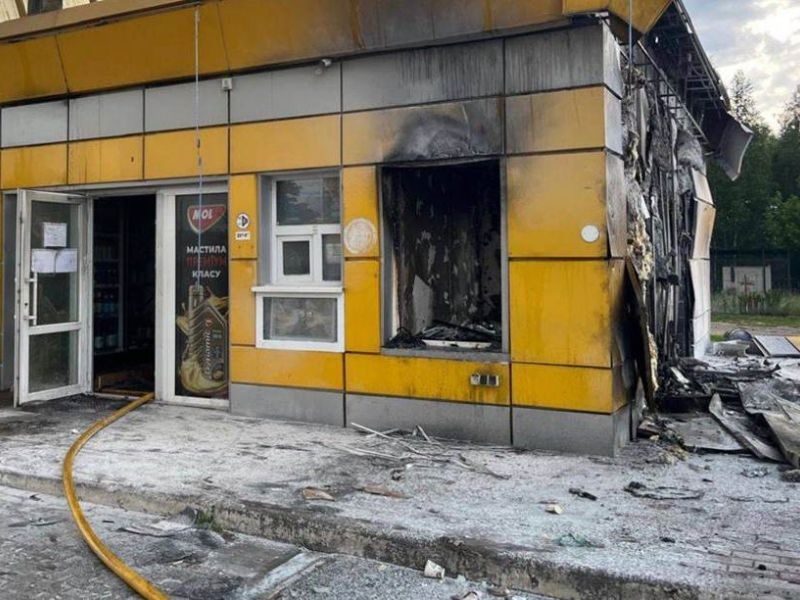
Russia finds itself at a complex crossroads as it navigates significant geopolitical developments, domestic challenges, and evolving international relations. The ongoing military conflict in Ukraine, coupled with the imposition of economic sanctions by Western nations, has drastically altered the landscape for Russia, prompting the need for a comprehensive analysis of its current state.
Economic Developments
The Russia economy is grappling with severe repercussions from international economic sanctions. These sanctions, primarily aimed at its financial, energy, and military sectors, have resulted in a contraction of economic growth. In 2023, estimates indicate that the Russian GDP may experience a slight recovery after a significant decline in 2022, driven by adaptative measures and increased trade with non-Western countries.
- Energy Exports: Russia continues to rely heavily on its energy exports, particularly to Asia. However, it faces challenges in securing new markets as buyers in Europe seek alternatives.
- Inflation: Inflation rates remain elevated, driven by supply chain disruptions and increased prices for imported goods.
- Ruble Stability: The Russian ruble has fluctuated significantly, influenced by capital controls and shifting trade dynamics.
Domestic Challenges
Domestically, Russia confronts several challenges that may influence its stability moving forward. Social discontent, economic hardship, and political repression are key factors in this landscape.
- Public Sentiment: There are growing signs of fatigue among the population regarding the ongoing conflict in Ukraine, with some protests occurring against the government’s policies.
- Demographics: Russia’s demographic crisis poses long-term risks, with a declining birth rate and aging population affecting its workforce.
- Infrastructure Needs: Significant investments are required to upgrade aging infrastructure, which hinders regional economic growth.
International Relations
Russia’s international relations have shifted dramatically following the invasion of Ukraine. Long-standing alliances are being tested, while new partnerships are being forged, particularly with nations outside the West.
- China Partnership: Increased cooperation with China has been noted, focusing on energy security and alternative markets, which could provide crucial economic support.
- Western Isolation: Tensions with NATO countries have escalated, leading to a more isolated stance in international diplomacy.
- Regional Engagement: Russia’s influence in Central Asia and the Caucasus remains critical as it seeks to affirm its geopolitical presence in these regions.
Security and Defense Issues
Russia’s security landscape is marked by its military engagements, particularly the conflict in Ukraine, and its implications for regional stability.
- Military Strategy: The Russian military has adapted its strategies in response to continuous challenges on the battlefield, shifting its focus towards defensive tactics and troop mobilization.
- Nuclear Posture: Ongoing discussions regarding nuclear strategy reflect an emphasis on deterrence amid heightened tensions with NATO.
- Cybersecurity: Russia has ramped up its cybersecurity initiatives amidst accusations of cyber warfare by Western nations.
Future Outlook
The future outlook for Russia is characterized by uncertainties rooted in economic recovery, social stability, and international relations. Essential considerations include:
- Economic Resilience: While the immediate economic recovery appears cautious, long-term strategies to diversify the economy away from energy reliance will be critical.
- Social Cohesion: Maintaining social stability amid increasing criticism of government policies is essential for the regime’s longevity.
- Geopolitical Strategies: Russia’s ability to navigate its international alliances and maintain influence in key regions will significantly affect its global standing.
As Russia continues to adapt to its evolving economic and geopolitical landscape, a nuanced understanding of these developments is essential for grasping the broader implications for regional and global security.