
Current Situation
Russia finds itself at a critical juncture marked by significant geopolitical developments, fluctuating economic conditions, and ongoing security issues. The country’s domestic challenges are compounded by a complex web of international relationships, heavily influenced by economic sanctions imposed in response to its actions in Ukraine and other regions. This analysis aims to provide a comprehensive overview of Russia’s current status across various dimensions, including economic, political, and security landscapes.
Economic Developments
The Russia economy has been significantly impacted by sanctions which have aimed to isolate the nation from global markets. Reports indicate a contraction in key sectors, including finance and energy. However, recent data suggest a degree of resilience, especially in the defense and agriculture sectors, as Russia pivots towards self-sufficiency and new trade partnerships.
- Oil and gas revenues remain a critical backbone for the economy, although fluctuating global energy prices pose risks.
- Increased trade with non-Western countries, such as China and India, indicates a shift in Russia’s economic orientation.
- Inflation remains a pressing concern, impacting consumer purchasing power and overall economic stability.
Domestic Challenges
Internally, Russia faces a multitude of domestic challenges. Rising public discontent over economic stagnation and decreased living standards is palpable, with pro-democracy movements asserting their presence despite government crackdowns.
- The demographic crisis continues to pose long-term challenges, with declining birth rates and increasing mortality rates impacting labor supply.
- A lack of investment in critical infrastructure has compounded economic difficulties, characterized by aging transport networks and outdated utilities.
- Corruption remains a significant hurdle, undermining public trust in institutions and hampering effective governance.
International Relations
Russia’s international relations have shifted dramatically amid ongoing conflicts and sanctions. Diplomatic efforts are largely focused on balancing relationships with non-Western allies while managing hostilities with the West.
- Engagement with BRICS nations offers new avenues for cooperation, although actual economic benefits remain to be fully realized.
- Relations with the European Union and the United States continue to deteriorate, limiting opportunities for peaceful dialogue.
- Russia’s role in global forums such as the United Nations suggests it is seeking legitimacy through multilateralism despite Western isolation.
Security and Defense Issues
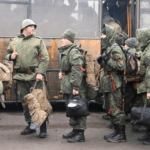
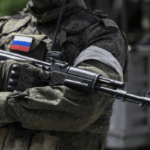
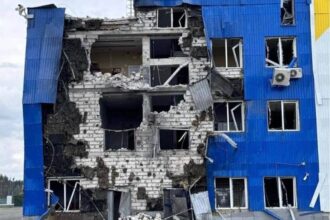
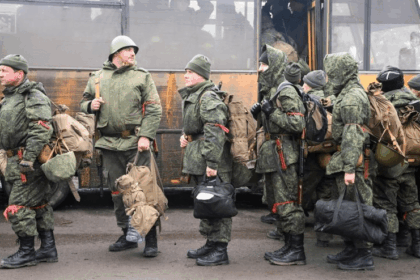
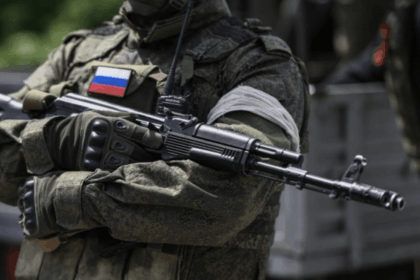
Security developments within Russia are closely tied to its military strategies and geopolitical objectives. The ongoing conflict in Ukraine has led to heightened defense spending and military readiness, influencing regional stability.
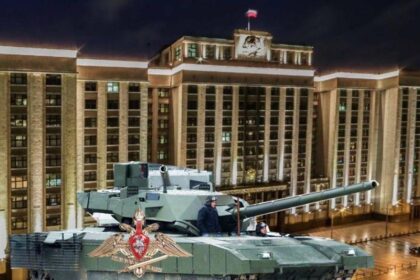
- The emphasis on military modernization remains a priority, with signs of increased domestic arms production.
- Cybersecurity threats have prompted significant investments in digital defense mechanisms.
- Concerns about border security and potential conflicts in neighboring regions continue to shape defense policies.
Future Outlook
The future outlook for Russia is fraught with uncertainty. The interplay between economic sanctions, domestic challenges, and international relationships will define its trajectory over the coming years.
- The sustainability of its economic model will depend on the ability to adapt to ongoing sanctions and foster alternative partnerships.
- Social and economic changes, driven by demographic trends and public sentiment, could lead to increased pressure on the government.
- Future geopolitical developments, particularly in Eastern Europe and Central Asia, will likely impact Russia’s security and diplomatic posture.
In conclusion, a holistic understanding of Russia’s current situation necessitates a careful examination of its economic conditions, domestic challenges, international relations, and security developments. As Russia navigates this complex landscape, the outcomes of these interactions will significantly influence its global standing and regional stability.