

Current Situation
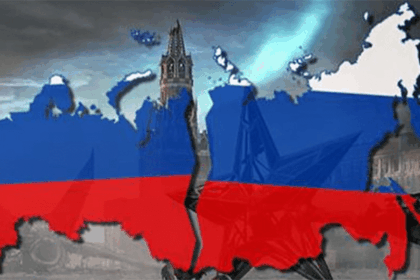
The geopolitical landscape surrounding Russia remains complex and multifaceted, characterized by significant economic challenges, domestic issues, and evolving international relations. As the country navigates its current predicament, the implications for regional stability and global security are increasingly critical.
Economic Developments
The Russia economy is grappling with sustained impacts from international sanctions imposed due to its military actions and foreign policy decisions. The sanctions have particularly hit key sectors such as energy, finance, and technology. Despite these challenges, Russia has been attempting to pivot towards new markets and foster economic ties with non-Western countries.
- Energy exports to Asia, particularly China and India, have grown as Western markets remain largely inaccessible.
- However, the loss of technological imports has begun to hinder innovation in various fields, including energy efficiency and digital technologies.
- The ruble has shown volatility, influenced by fluctuating oil prices amidst a broader economic downturn.
Domestic Challenges
Internally, Russia faces a range of domestic challenges that underscore the strains on its society and governance. Economic contraction has resulted in reduced living standards for many citizens.
- Rising inflation and unemployment have contributed to public discontent.
- Social unrest has manifested sporadically, driven by dissatisfaction with the government’s handling of economic issues.
- Demographic trends present further challenges, with an aging population and declining birthrates likely constraining the labor force in the coming years.
International Relations
Russia’s international relations are primarily shaped by its confrontational stance towards NATO, the U.S., and the European Union. Diplomatic ties with Western nations have further soured, leading to a significant isolation in various global forums.
- Efforts to strengthen alliances with countries like China and India reflect a strategic shift aimed at counterbalancing Western influence.
- Regional conflicts, particularly in Eastern Europe and Central Asia, continue to pose risks to broader international relations.
Security and Defense Issues
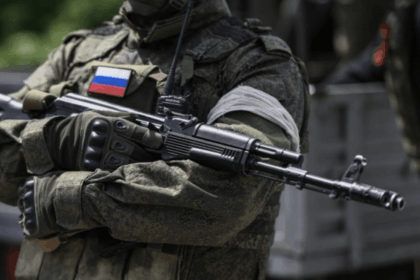
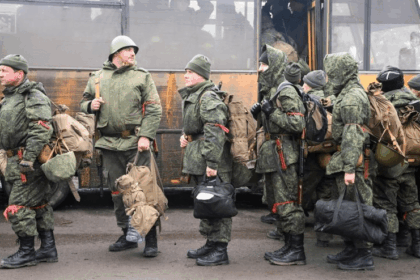
In terms of security developments, Russia has increased its military readiness, citing perceived threats from NATO. This has involved various military exercises and the modernization of its armed forces.
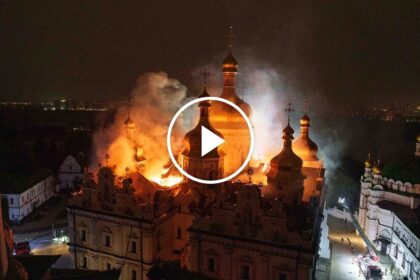
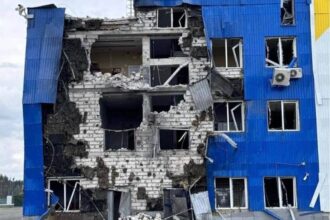
- The annexation of Crimea and ongoing tensions in Ukraine have remained pivotal points in Russia’s security narrative.
- Cybersecurity is another growing concern, with increasing incidences of cyberattacks attributed to state-sponsored actors.
Future Outlook
The future outlook for Russia is fraught with uncertainties. The ambitious economic projects and diplomatic efforts may not be enough to mitigate the profound internal and external challenges the country faces.
- The sustainability of reliance on energy exports will be tested by global energy transitions and ongoing sanctions.
- Domestic political stability will depend largely on the government’s ability to address socioeconomic grievances effectively.
- The geopolitical landscape may continue to shift, influenced by external pressures and Russia’s response strategies.
In summary, Russia finds itself at a critical juncture, where the interplay of economic conditions, domestic challenges, international relations, and security developments will shape its path forward. As analysts observe these dynamics, the implications for regional stability and global security will remain paramount in the discourse surrounding Russia.