
Current Situation
Russia is currently navigating a complex landscape marked by significant economic challenges, domestic issues, and evolving international relations. Following its military actions in Ukraine, the country has faced unprecedented economic sanctions and isolations, compelling a reassessment of its geopolitical standing and internal capabilities.
Economic Developments
As of 2023, the Russia economy has encountered marked turbulence due to extensive economic sanctions imposed by Western nations and their allies. These sanctions have affected various sectors, including oil and gas, which are crucial to Russia’s revenue streams. The International Monetary Fund projects a contraction in GDP, highlighting the adverse effects of restricted access to global markets.
- Oil and gas exports, which constitute a significant portion of state revenue, have seen a decline due to sanctions targeting Russian energy sectors.
- Trade relations have shifted, with Russia increasingly turning towards Asia, particularly China, to mitigate losses from Western markets.
- The ruble’s exchange rates have exhibited volatility, reflective of the country’s strained financial position.
Domestic Challenges
Internally, Russia faces several pressing challenges. The political landscape is characterized by a consolidation of power under President Vladimir Putin, yet this has not shielded the state from socio-economic unrest.
- Widespread dissatisfaction among the populace, chiefly rooted in economic difficulties—such as rising inflation and declining living standards—has become evident.
- The demographic trends indicate a declining population, exacerbated by emigration, which poses long-term challenges for workforce productivity and economic sustainability.
- Public protests, although limited in scale due to state suppression, indicate underlying discontent among various segments of society.
International Relations
Russia’s international relations have undergone profound changes. Its invasion of Ukraine has alienated many Western nations but has simultaneously paved the way for deeper ties with countries from the Global South.
- Russia’s pivot towards China has intensified, with bilateral trade agreements striving to enhance cooperation in energy, agriculture, and technology.
- Efforts to form alliances with countries in the Middle East and Africa reflect a broader strategy to reduce dependency on Western economies.
- International diplomacy remains strained, characterized by a diminishing role in multilateral institutions.
Security and Defense Issues
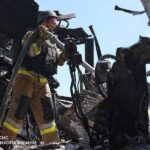
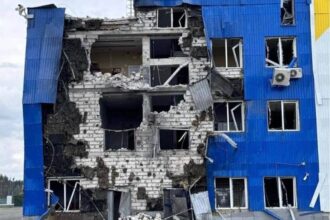
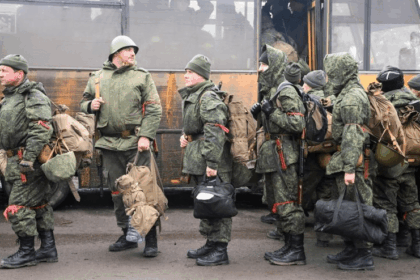
Military developments within Russia have been accelerated by the ongoing conflict in Ukraine. The situation has highlighted both strengths and vulnerabilities in Russia’s military capabilities.
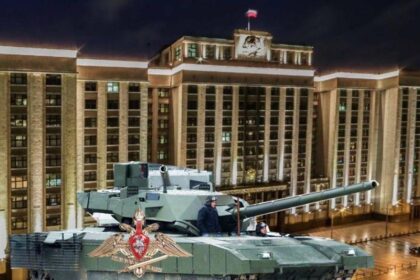
- Increased military spending is observed, with a focus on modernizing and expanding the defense arsenal, particularly in response to perceived NATO threats.
- Cybersecurity has become a critical focus for Russian military strategy, with efforts towards enhancing cyber capabilities to counteract Western technological advantages.
- Regional stability in neighboring countries is being tested, with fears of spillover effects from Russia’s military engagements shaping security policies in Eastern Europe and Central Asia.
Future Outlook
Looking ahead, the economic outlook for Russia remains grim in the short to medium term. The ongoing sanctions, compounded by domestic challenges, suggest a precarious economic trajectory.
- The long-term viability of Russia’s adaptation to a more isolated economic environment will depend on its ability to foster new trade partnerships and invest in key sectors.
- Demographic challenges will necessitate urgent policy responses to reverse population decline and sustain economic growth.
- In the realm of international relations, Russia’s focus on non-Western partnerships may alter the global geopolitical landscape, emphasizing a multipolar world but also raising the stakes for regional stability.