
Current Situation
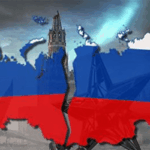
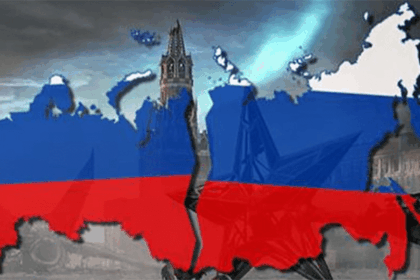
The geopolitical landscape surrounding Russia continues to evolve, particularly in light of international sanctions, military actions, and domestic challenges. These issues not only shape Russia’s economy but also affect its role in global affairs. An analysis of the recent developments highlights the complex interplay between internal dynamics and external pressures.
Economic Developments
The Russia economy has faced significant strain due to sanctions imposed after its geopolitical maneuvers, especially those related to Ukraine. These sanctions have targeted key sectors, resulting in reduced foreign investment and trade disruptions.
Despite these challenges, Russia has adopted counter-sanctions and pivoted towards new trade partnerships, particularly with countries in Asia. The government is focusing on boosting domestic production and targeting agricultural self-sufficiency as key economic strategies.
Domestic Challenges
Internally, Russia is grappling with a range of domestic challenges, including political dissent and economic inequality. The discontent among various social groups has been exacerbated by rising prices and decreasing living standards, leading to sporadic protests.
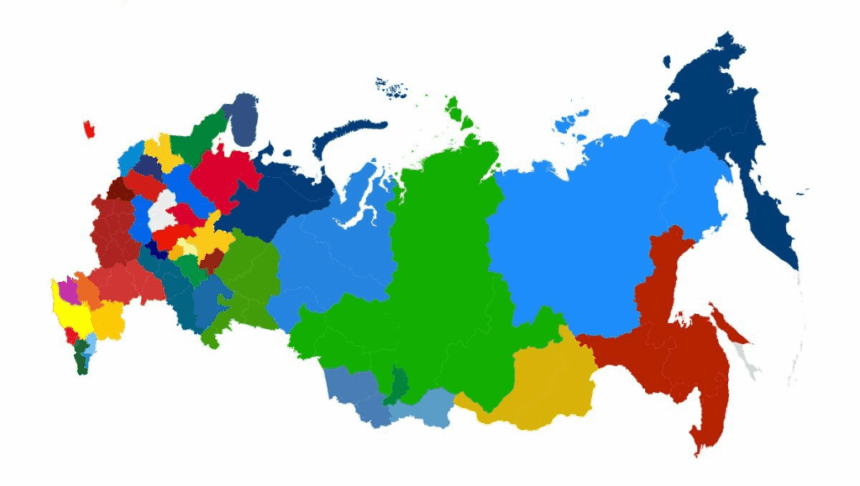
Demographic trends, such as an aging population and declining birth rates, pose long-term threats to Russia’s labor force and economic productivity. Infrastructure development, particularly in rural areas, remains a crucial concern as regional disparities become more pronounced.
International Relations
Russia’s international relations have shifted significantly as a result of its actions in global politics. Engagement with the BRICS nations has intensified, emphasizing economic cooperation that seeks to sidestep the impacts of Western sanctions.
- Strengthened partnerships with China and India highlight a strategic pivot.
- The role of regional organizations like the Eurasian Economic Union becomes increasingly vital for Russia’s trade strategy.
Simultaneously, tensions with the West, particularly concerning NATO and European Union relations, remain high, impacting diplomatic engagements and security policies.
Security and Defense Issues
In terms of security developments, Russia has been modernizing its military capabilities. This includes advances in cyber warfare, missile technology, and strategic military exercises that aim to assert its influence in neighboring regions.
The Kremlin’s focus on regional stability often translates into an aggressive military posture, which contributes both to external fears and internal propaganda strategies.
Future Outlook
The Russia outlook suggests a continued struggle between external pressures from economic sanctions and internal dynamics like demographic shifts and public discontent. Analysts anticipate that the global security scenario will further manage Russia’s options on the international stage.
Given the current landscape of regional stability and ongoing military developments, Russia’s next moves will likely reflect its dual imperative of asserting sovereignty while navigating the consequences of its international behavior.