
Current Situation
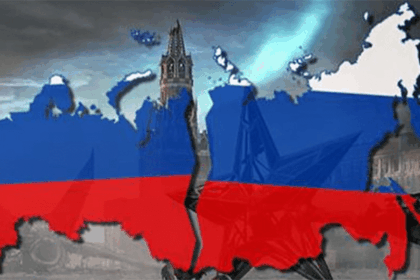
Russia is currently navigating a complex web of internal and external challenges that shape its geopolitical landscape. The ongoing conflict with Ukraine has heightened international tensions, affecting Russia’s economy, security, and global standing. This article provides an analytical overview of the various facets of Russia’s situation, including economic conditions, domestic issues, international relations, and security developments.
Economic Developments
The Russian economy has faced significant headwinds due to economic sanctions imposed by Western nations as a response to its actions in Ukraine. These sanctions have targeted key sectors, including finance, energy, and military. Despite initial resilience, the economy has begun to show signs of strain. According to various reports, GDP growth remains sluggish, and inflationary pressures are mounting.
- Economic sanctions have precipitated a decline in foreign investment.
- Sanctions have disproportionately impacted technology and high-value sectors.
- Russia is increasingly turning to non-Western partners for trade, notably China and India.
Domestic Challenges
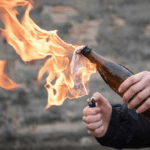
Internally, Russia is grappling with a range of domestic challenges that impact its stability. Economic discontent has given rise to social unrest, as citizens face rising prices and diminishing standards of living. Additionally, demographic trends are alarming, with a declining birth rate and an aging population posing long-term challenges for workforce sustainability and economic productivity.
- High levels of youth unemployment are contributing to social dissatisfaction.
- The government struggles to address public health and infrastructure issues.
- Corruption remains endemic, undermining public trust in state institutions.
International Relations
Russia’s international relations are increasingly characterized by isolation from the West. Diplomatic efforts to engage with Europe and the United States have largely stalled. Instead, Russia has pivoted towards strengthening ties with countries in Asia and the Middle East. The growing relationship with China, especially in energy and military sectors, indicates a shift in Russia’s foreign policy.
- Russia has collaborated with China on military exercises and economic initiatives.
- Attempts to strengthen ties with Latin America have been observed, albeit with limited success.
- The situation in Ukraine continues to strain Russia’s relations with NATO and the EU.
Security and Defense Issues
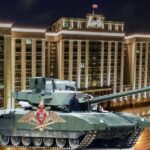
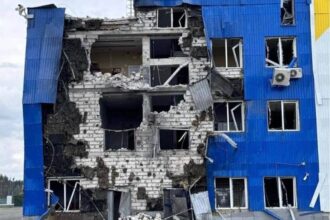
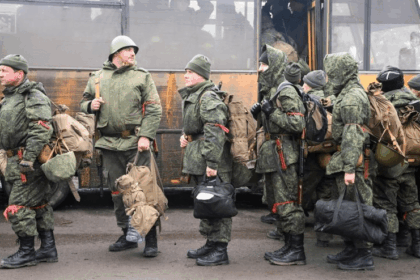
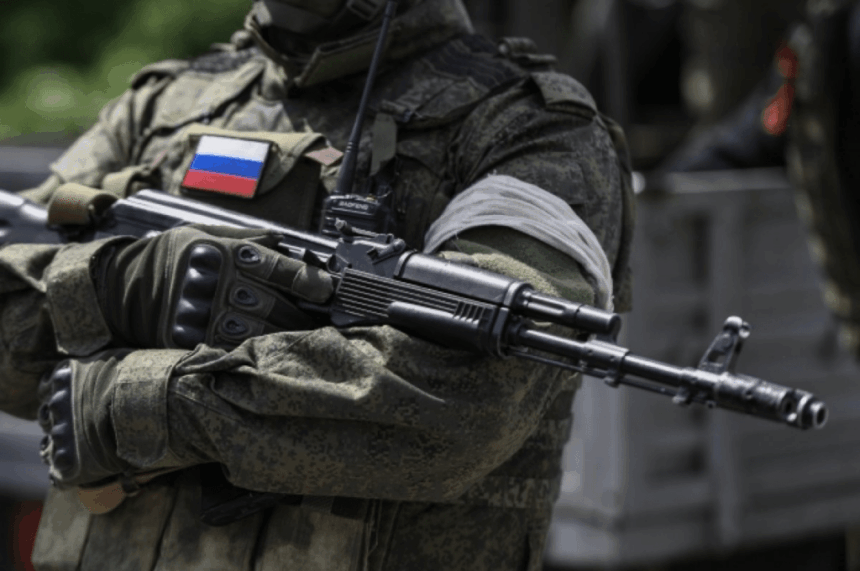
The conflict in Ukraine has necessitated significant military developments within Russia. The Kremlin has increased defense spending and modernized its military capabilities, focusing on advanced weaponry and cyber capabilities. However, logistical challenges and battlefield setbacks in Ukraine highlight weaknesses in military planning and personnel allocation.
- Russia’s military doctrine now emphasizes hybrid warfare techniques.
- Security concerns persist in the North Caucasus and in the Baltic region.
- Cybersecurity has become a focal point due to increasing cyber threats.
Future Outlook
The outlook for Russia is marked by a blend of risk and opportunity. While sanctions are predicted to create ongoing economic hardship, the pivot towards alternative markets may offer some respite. The demographic challenges and internal dissent, however, pose risks to the stability of the regime. Internationally, continued isolation could further entrench Russia’s alliances with non-Western powers, altering the global balance of power.
- The economy is likely to remain under pressure, affecting long-term growth prospects.
- Domestic unrest may increase if economic conditions do not improve.
- Ongoing geopolitical tensions could lead to a redefined multipolar world order.