
Current Situation
Russia remains a focal point in global geopolitical analysis as significant developments unfold across various domains including its economy, security landscape, and international relations. This article provides an in-depth look at the current circumstances facing the nation, evaluating its domestic challenges and international positioning in light of ongoing tensions and economic sanctions.
Economic Developments
The Russian economy has faced substantial pressures due to international sanctions imposed in response to its military activities in Ukraine. These sanctions have targeted key sectors including finance, energy, and technology, impacting Russia’s ability to engage in global trade.
- GDP Growth: In 2023, the International Monetary Fund projected moderate GDP growth, though recovery is constrained by sanctions on energy exports.
- Inflation Rates: Inflation remains a significant concern, fueled by state control over pricing and reduced import options.
- Trade Relations: Russia has sought to strengthen ties with non-Western countries, notably in Asia, to offset losses from Western markets.
Domestic Challenges
Internally, Russia is grappling with several pressing challenges that affect social and economic stability. These challenges are exacerbated by the geopolitical climate and the implications of international sanctions.
- Demographic Trends: Russia faces a declining population, attributed to low birth rates and emigration, which puts additional strain on the labor market and social security systems.
- Infrastructure Issues: Aging infrastructure remains a crucial problem, hindering economic investment and regional development.
- Public Sentiment: There are growing signs of public discontent regarding economic conditions and governance, although government control of media limits the expression of dissent.
International Relations
Russia’s international standing has shifted dramatically over recent years, characterized by a realignment of alliances and increased isolation from Western countries.
- Relations with China: Russia has moved to enhance its partnership with China, perceiving it as a counterweight to Western sanctions and influences.
- Engagement with the Global South: Moscow has intensified its diplomatic outreach in Africa and Latin America, seeking to bolster support and economic ties.
Security and Defense Issues
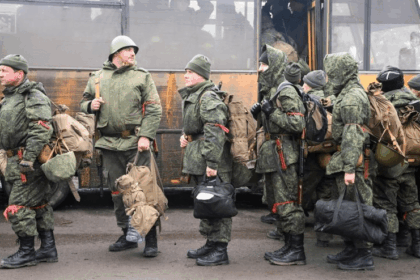
Security developments in Russia are closely linked to its military activities and geopolitical strategy, fostering a complex security environment both regionally and globally.
- Military Expansion: The Russian military continues to modernize and expand its capabilities, focusing on emerging technologies such as cyber warfare and drone usage.
- Regional Stability: Russia’s actions in Eastern Europe and Central Asia raise concerns among neighboring countries, prompting them to bolster their defense positions.
Future Outlook
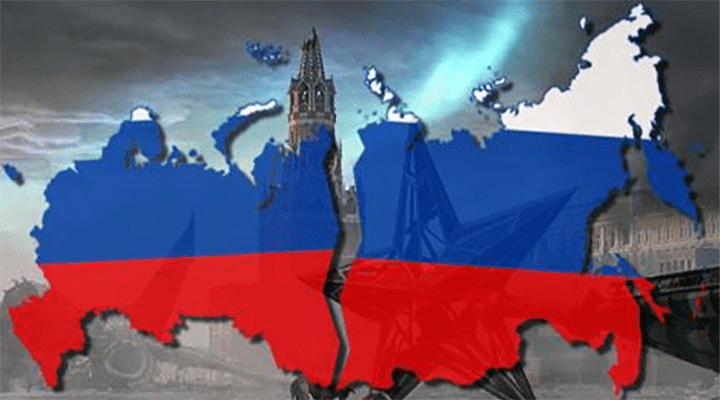
The outlook for Russia is shaped by an interplay of economic pressures, security concerns, and diplomatic maneuvers. As longstanding challenges persist, the state’s ability to navigate through these complexities remains uncertain.
- Economic Resilience: While efforts to pivot towards Asia may offer some respite, long-term economic sustainability hinges on overcoming infrastructural deficits and demographic decline.
- International Diplomacy: Continued engagement with non-Western nations may provide avenues for economic relief, although political legitimacy in the eyes of its populace remains critical.
In sum, the multifaceted dynamics of Russia’s economy, domestic challenges, security developments, and international relations continue to crystallize a landscape fraught with both opportunities and significant risks. Understanding these elements is vital in geopolitical analysis as they will heavily influence Russia’s role on the global stage in the coming years.