
Current Situation
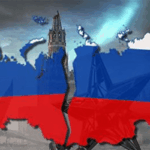
Russia continues to navigate a complex landscape influenced by a myriad of internal and external factors. The ongoing consequences of geopolitical tensions, particularly arising from its conflict with Ukraine, have significant implications for the country’s economy, domestic politics, and international relations.
Economic Developments
The Russia economy is undergoing considerable strain due to international sanctions imposed in response to its military actions. These sanctions target critical sectors, including finance, energy, and military exports, creating significant hurdles for economic growth. Despite this pressure, Russia has made efforts to pivot its trade relations towards non-Western countries, with particular emphasis on China and India.
- Trade agreements with China have been strengthened, particularly in energy exports.
- India has emerged as a key market for Russian oil, benefiting from discounted prices.
- The decline in Western imports has pushed Russia to bolster domestic production in agriculture and manufacturing.
Domestic Challenges
Domestically, Russia faces numerous challenges that are impacting its stability and governance. Economic hardships, exacerbated by sanctions and a declining population, have contributed to social discontent.
- The demographic trend shows a declining birth rate and increasing life expectancy, leading to an aging population.
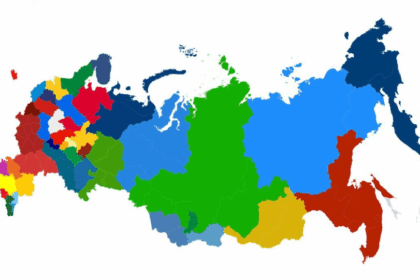
- Regional disparities in wealth and infrastructure present significant barriers to balanced growth.
- Public dissatisfaction with the government’s handling of the economy is manifesting through sporadic protests.
International Relations
Russia’s international relations are marked by a strategic shift following the imposition of sanctions. Its partnerships with countries outside the Western sphere are being fortified, while relationships with traditional allies remain strained.
- Engagement with BRICS nations is becoming increasingly vital for Russia’s geopolitical strategy.
- Tensions with NATO countries are likely to persist, fundamentally altering Europe’s security architecture.
- Russia’s diplomatic efforts in regions like the Middle East and Africa, often focused on military cooperation, aim to enhance its global influence.
Security and Defense Issues
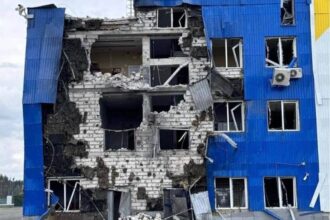
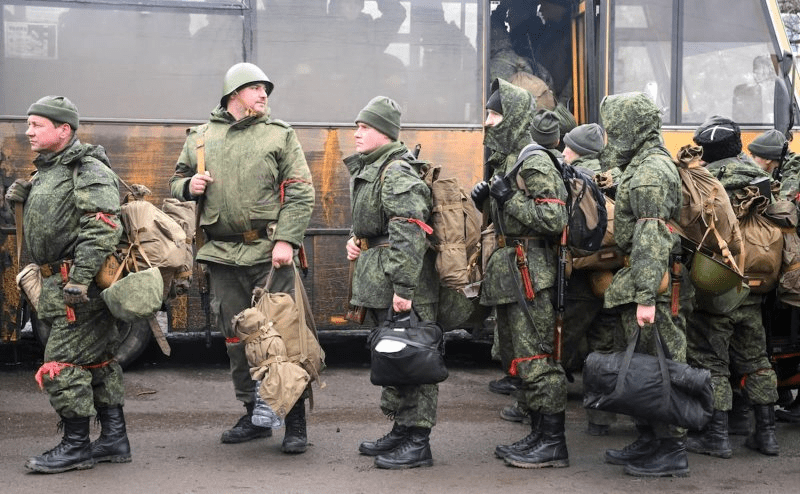
Security developments in Russia are heavily influenced by the ongoing conflict in Ukraine. The Russian military’s strategies and capabilities are continuously evolving in response to battlefield conditions.
- Investments in defense systems and military technologies have seen a notable increase.
- The Kremlin emphasizes national security as a central tenet of its domestic and foreign policy.
- Cybersecurity has also taken center stage, with increased efforts to safeguard against foreign cyber incursions.
Future Outlook
The outlook for Russia remains uncertain as it grapples with the multifaceted impacts of sanctions, evolving demography, and external pressures. The long-term effects of these dynamics could reshape the country’s domestic landscape and international position.
- Economic forecast indicates potential stagnation unless alternative market strategies develop effectively.
- Continued military engagement is expected as the state solidifies its defense posture.
- International diplomatic efforts may face challenges as Russia seeks to redefine its global role amidst ongoing sanctions.
In summary, the complexities surrounding the Russia economy, coupled with domestic challenges and shifting international relations, create a multifaceted scenario that will significantly influence the country’s future trajectory.