
Current Situation
Russia’s geopolitical landscape remains complex, influenced by a combination of economic conditions, domestic challenges, and international relations. The aftermath of sanctions and ongoing conflicts has created an intricate web of strategic decisions and shifting alliances.
Economic Developments
The Russia economy is grappling with the ramifications of extensive economic sanctions imposed by Western nations following its actions in Ukraine. These sanctions targeted key sectors, including finance, energy, and military, significantly constraining Russia’s economic growth prospects.
- In 2023, Russia’s GDP showed signs of stagnation, largely due to reduced foreign investments and a reliance on domestic consumption.
- The country’s energy exports, particularly oil and gas, have been impacted as a result of both sanctions and changing global demand patterns.
- Reliance on a shrinking pool of trading partners, largely from non-Western countries, is becoming increasingly pronounced.
Domestic Challenges
Internally, Russia is facing a host of challenges that threaten its stability.
- High inflation continues to erode purchasing power, prompting discontent among the populace.
- Demographic trends indicate a declining population, largely attributed to low birth rates and high emigration among the educated youth.
- Infrastructure and industry are in need of modernization, yet state resources are increasingly diverted to military expenditures rather than domestic needs.
International Relations
Russia’s engagement in international relations is marked by a shift towards non-Western alliances, particularly with China and other BRICS nations. Despite efforts to reposition itself, tensions with Western countries remain high.
- Diplomatic efforts have been made to strengthen ties with countries in the Middle East and Asia.
- Relations with European countries are strained, particularly as energy dependence wanes in the wake of sanctions.
- Participation in international forums has diminished, as Russia faces isolation but seeks alternative platforms for diplomatic engagement.
Security and Defense Issues
Russia’s military capabilities are a focal point in both domestic and international spheres.
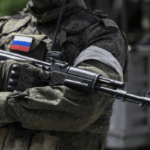
- The military is undergoing significant modernization, with increased focus on strategic deterrence and cyber capabilities.
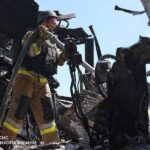
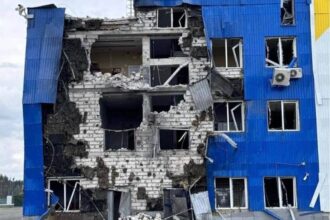
- Regional stability is threatened by ongoing conflicts in Ukraine and tensions in the Arctic and Eastern Europe.
- Domestic security measures have intensified, reflecting concerns over internal dissent and potential instability.
Future Outlook
The outlook for Russia remains uncertain, with several potential scenarios emerging from current developments.
- The economy faces ongoing strain from sanctions, with prospects for recovery largely dependent on global energy prices and external market dynamics.
- Domestic challenges, including demographic decline and rising public dissent, could necessitate significant political and economic reforms.
- International relations may continue to pivot away from the West, with Russia seeking deeper ties with emerging markets but at the cost of diplomatic isolation.
In conclusion, the geopolitical analysis of Russia suggests that while the country remains resilient in the face of adversity, significant challenges will shape its future trajectory and regional stability.