
Latest Developments
As of October 2023, the Russia-Ukraine war continues to evolve, with significant military developments and ongoing diplomatic negotiations. Ukraine’s resistance remains firm against Russia’s military operations, which have recently intensified in the eastern and southern regions of the country.
Military Situation Update
Ukrainian forces have reported steady gains in the Donetsk region, despite heavy shelling from Russian artillery. In recent weeks, intense fighting has been concentrated around Bakhmut and Avdiivka, where both sides have sustained casualties.
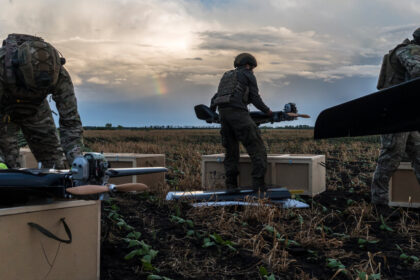
- Ukrainian military sources indicate an uptick in drone warfare, with enhanced reconnaissance capabilities being utilized to target Russian supply lines.
- The Russian military has deployed additional troops and equipment in southern Ukraine, specifically in the Zaporizhzhia region, aiming to regain ground.
- Both sides continue to face challenges with logistics as winter approaches, influencing troop movements and operational planning.
Diplomatic and International Response
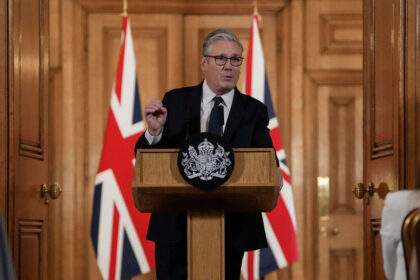
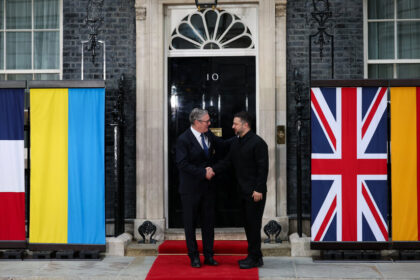
Diplomatic efforts among global leaders are ongoing, with several high-level meetings scheduled in the coming weeks. The United Nations continues to advocate for peace talks, urging both parties to consider a ceasefire as humanitarian conditions deteriorate.
- The European Union has reinforced its stance on sanctions against Russia, citing ongoing military aggression.
- U.S. officials have reiterated their commitment to supporting Ukraine, providing additional military aid, including advanced weaponry.
- Negotiations regarding energy supply and security arrangements in Europe have gained momentum, with NATO discussing contingency plans for increased troop deployments.
Humanitarian Impact
The humanitarian situation in Ukraine remains dire. International agencies report increasing civilian casualties due to ongoing hostilities, with many families displaced.
- Approximately 7 million people are internally displaced across Ukraine, while around 8 million have fled to neighboring countries.
- Access to basic necessities, such as food, healthcare, and clean water, is severely compromised in many regions, particularly in the east.
- International aid programs are working to provide essential support, including food and medical supplies, to affected populations.
Economic and Infrastructure Effects
The ongoing conflict has significant economic implications for both Ukraine and Russia. Ukraine’s economy is heavily impacted by reduced industrial output and extensive damages to infrastructure.
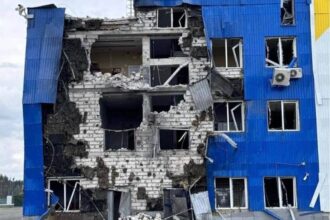
- Preliminary estimates suggest infrastructure losses exceed $100 billion, with critical sectors like energy and transportation severely disrupted.
- International financial aid has been crucial in stabilizing Ukraine’s economy, with the IMF and World Bank mobilizing support packages.
- Russia faces a growing economic crisis characterized by sanctions and reduced foreign investments, affecting its military funding capabilities.
Regional Security Outlook
The conflict’s ramifications extend beyond Ukraine, impacting regional stability in Eastern Europe. NATO has emphasized its commitment to collective defense while strengthening presence in member states bordering Ukraine.
- Heightened military exercises have been conducted in Poland and the Baltic States in response to potential spillover risks from the conflict.
- Discussions regarding energy security have intensified as European countries seek alternatives to Russian energy supplies, affecting the geopolitical landscape.
- The humanitarian crisis is causing a re-evaluation of migration policies across the EU as countries prepare for continued influxes of refugees from Ukraine.