
Latest Developments
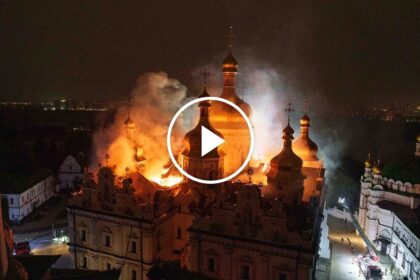
The Russia-Ukraine conflict continues to evolve, with recent military escalations and ongoing diplomatic efforts. As of this week, skirmishes along the eastern front have increased, raising concerns about a renewed wave of violence. Ukraine’s armed forces reported a rise in artillery exchanges in the Donetsk region, further complicating the delicate situation.
Military Situation Update
Ukrainian officials have confirmed intensified shelling in key areas, particularly around Bakhmut and Avdiivka. Russian military sources claim successful operations targeting supply routes. Both sides are reportedly mobilizing additional troops, with NATO spy planes actively monitoring the situation.
- Increased troop deployments in Donetsk and Luhansk regions.
- Ongoing artillery exchanges, particularly around contested cities.
- Concerns over potential escalation prompt heightened readiness among NATO member states.
Diplomatic and International Response
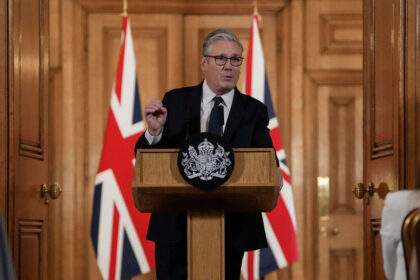
Diplomatic negotiations have continued, albeit with limited progress. The United Nations has reiterated calls for a ceasefire and for both parties to return to the negotiation table. Meanwhile, the G7 nations expressed solidarity with Ukraine in a recent summit, underscoring their commitment to support Ukraine’s sovereignty.
- Calls for renewed peace talks have been made by various international organizations.
- Western nations continue to pledge defense support, including military aid.
- The European Union plans to tighten sanctions against Russia concerning ongoing aggression.
Humanitarian Impact
The humanitarian situation in conflict-affected areas remains dire, with reports indicating that over 7 million people have been displaced since the onset of hostilities. Access to essential services is increasingly limited, particularly in eastern Ukraine.
- Local NGOs report significant shortages of food, water, and medical supplies.
- International aid organizations are ramping up efforts to deliver supplies to affected regions.
- The UN estimates millions remain in urgent need of humanitarian assistance.
Economic and Infrastructure Effects
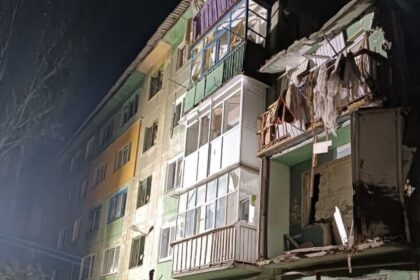
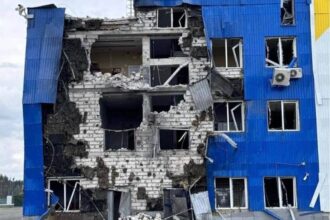
The ongoing conflict has severely impacted the Ukrainian economy. Businesses are struggling to operate, and vital infrastructure continues to suffer damage from military actions. Reconstruction efforts face delays due to persistent hostilities.
- Analysis indicates a contraction of the Ukrainian economy by approximately 30% since the start of the war.
- Infrastructure repair projects are hindered by ongoing insecurity and funding shortages.
- Global energy markets remain influenced by the conflict, impacting fuel prices across Europe.
Regional Security Outlook
As military activities ramp up, regional security dynamics are shifting. NATO has increased its military presence in Eastern Europe, asserting its commitment to collective defense and re-establishing deterrence against potential threats.
- The Baltic states are advocating for more substantial NATO deployments in response to security concerns.
- Internal assessments within Russia suggest a focus on enhancing military capabilities in border regions.
- International observers continue to monitor the stability of neighboring countries, given the potential for spillover effects from hostilities.