
Current Situation
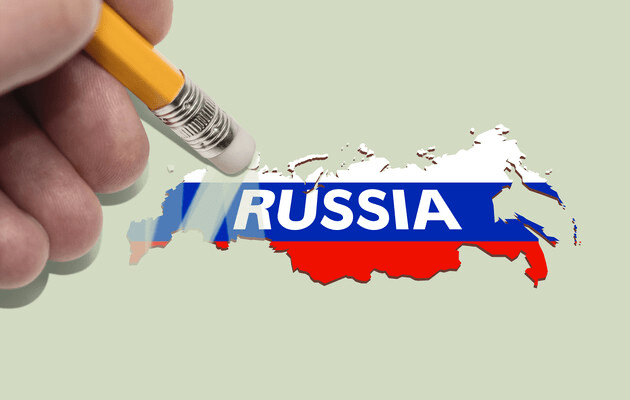
The geopolitical landscape surrounding Russia remains complex, characterized by a mix of economic challenges, domestic issues, and shifting international relations. Following its incursion into Ukraine in 2022 and the subsequent sanctions imposed by Western nations, Russia has had to navigate a multifaceted crisis impacting various aspects of its society and governance.
Economic Developments
The Russia economy has been significantly affected by extensive economic sanctions, which have targeted key sectors including finance, energy, and technology. In response, the Russian government has sought to pivot towards Asia, particularly China, to mitigate the effects of these sanctions. Despite an initial resilience in energy revenues, ongoing global shifts towards renewable energy and a prolonged economic isolation may hinder long-term growth.
- Russia’s oil and gas exports still serve as a principal revenue source, catering to markets in Asia and maintaining a level of economic stability.
- Inflation rates have fluctuated, and domestic consumer spending has diminished due to decreased purchasing power.
- Infrastructure projects have been emphasized as part of an effort to stimulate the economy, focusing on enhancing transport networks and energy capabilities.
Domestic Challenges
Russia faces substantial domestic challenges, including a declining population and social discontent. Demographic trends highlight an aging population combined with low birth rates, which pose risks to labor supply and economic stability.
- Emigration of skilled professionals has accelerated, exacerbating the ‘brain drain’ issue.
- Rising public dissatisfaction regarding quality of life and economic conditions has led to sporadic protests, although they are largely suppressed by governmental measures.
- Corruption remains a persistent challenge, undermining public trust in institutions and slowing economic reforms.
International Relations
Russia’s international relations have markedly shifted post-2022, with increased isolation from Western allies. The nation has sought to strengthen ties with non-Western countries, notably within the BRICS coalition, to bolster its geopolitical standing.
- Relations with China have strengthened, resulting in increased trade agreements and military cooperation.
- Russia’s involvement in the Middle East continues to be a focal point, leveraging its influence in nations like Syria and Iran.
- Engagement with African and Latin American countries has been reinforced through diplomatic and economic initiatives.
Security and Defense Issues
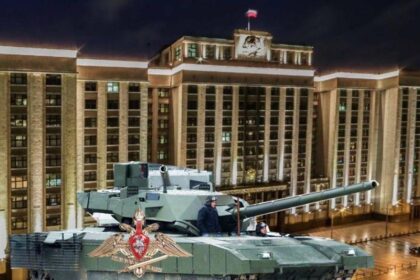
The conflict in Ukraine has significant implications for Russia’s security and defense strategy. Increased military expenditures have altered the focus of its armed forces, emphasizing modernization and readiness.
- Military deployments along the western borders have raised tensions with NATO countries.
- Cybersecurity threats have escalated, as Russia has faced a barrage of cyber attacks attributed to adversarial nations.
- Internal security measures have heightened, with the government intensifying surveillance and crackdowns on dissent.
Future Outlook
The economic outlook for Russia remains cautious amidst persistent global volatility. Continued sanctions and geopolitical isolation pose long-term risks for the economy, while domestic unrest and demographic challenges could further complicate governance.
- Anticipated shifts in global energy markets may impact Russia’s core revenue streams, necessitating diversification strategies.
- Domestic policies focusing on stabilizing the economy and fostering innovation will be critical for future resilience.
- Strengthening ties with non-Western nations may offer short-term alleviation but will not wholly replace lost Western engagements.